Why Households Are Switching to 5G Home Internet Services
$82 a month. That's what the average household spends on subscription TV services, holding steady from 2023 through 2024, per Hub Entertainment Research's June survey of 1,600 U.S. broadband users. The ceiling they're willing to tolerate crept up to $93.
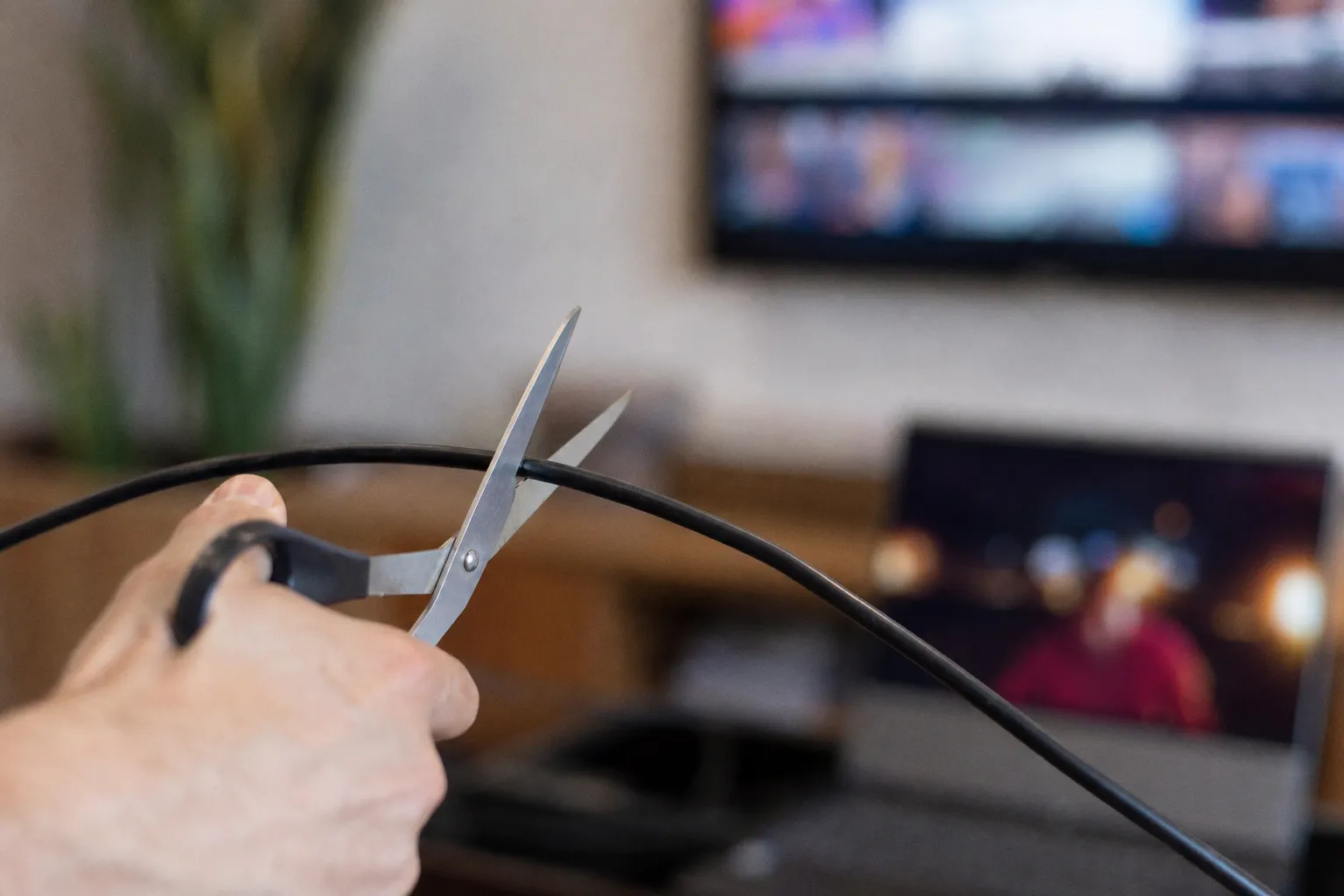
The broadband under your TV just changed
Cord Cutters News surveyed over 1,000 cord-cutters and the connection breakdown tells you exactly who's winning the home internet war:
- Cable internet: 38.8% — still the leader, but barely
- Fiber: 37.5% — within rounding distance
- 5G home internet: 17.1% — mainstream, not fringe
- DSL: 2.4%
- Starlink: 1.5%
A symmetrical gigabit fiber line handles 4K and emerging 8K streams across every device in the house with the low latency cloud gaming needs. 5G home internet skips the install truck and the contract — plug the gateway in, you're online. For households in suburban or rural pockets without fiber rollout, fixed-wireless 5G is now the realistic escape from a legacy cable ISP. Comcast and Spectrum's subscriber bleeding will keep going while alternatives deliver the speed without the bundled TV-phone-internet markup and equipment rental traps.
The "low price" buyer is here
Hub's respondents ranked what they value in a TV service. "Low price" jumped from 12% to 21% year-over-year. Sports content nearly doubled, from 6.7% to 13% — fans want their leagues, they just don't want a $150+ cable bill to get them.
Free ad-supported platforms — Tubi, Pluto TV, The Roku Channel — topped the "excellent value" list. HBO Max, Apple TV+, Disney+, and Netflix clustered just below. YouTube Premium took the highest marks among users bundling ad-free video and music.
The verdict: mainstream consumers have stopped paying retail for linear cable, and they're hunting the cost floor. If your stack runs you past $93 a month and you've got fiber or 5G alternatives available, the numbers justify a swap.
Before you commit
- Check fiber first. Future-proof default where available — typically no throttling, no data caps on residential tiers, no modem rental fee.
- Run 5G home internet as Plan B. Major carriers sell contract-free gateways; check for deprioritization thresholds or speed shaping once you cross a data limit.
- Cut the streaming stack. The survey's largest spending segment ($71–$90/month) accounts for 29% of users; if you're above that, especially the 4.8% over $111, you're in trim territory. Pare to one or two live TV replacements plus a couple of on-demand subscriptions and let ad-supported fill the rest.
- If sports is what you're paying for: identify the single bundle carrying your leagues and cut everything else.
Cable's grip on the living room is loosening because the broadband underneath it isn't special anymore. Your ISP still prices you like a captive customer. The market just gave you permission to walk.
The story continues
 Watch NFL Games: Discover Channels and Streaming Options
 The Disney+ Premium subscription - The Walt Disney Company bets on ad-free streaming and 4K
 The best free TV streaming services of 2026 for news, movies, TV shows and more
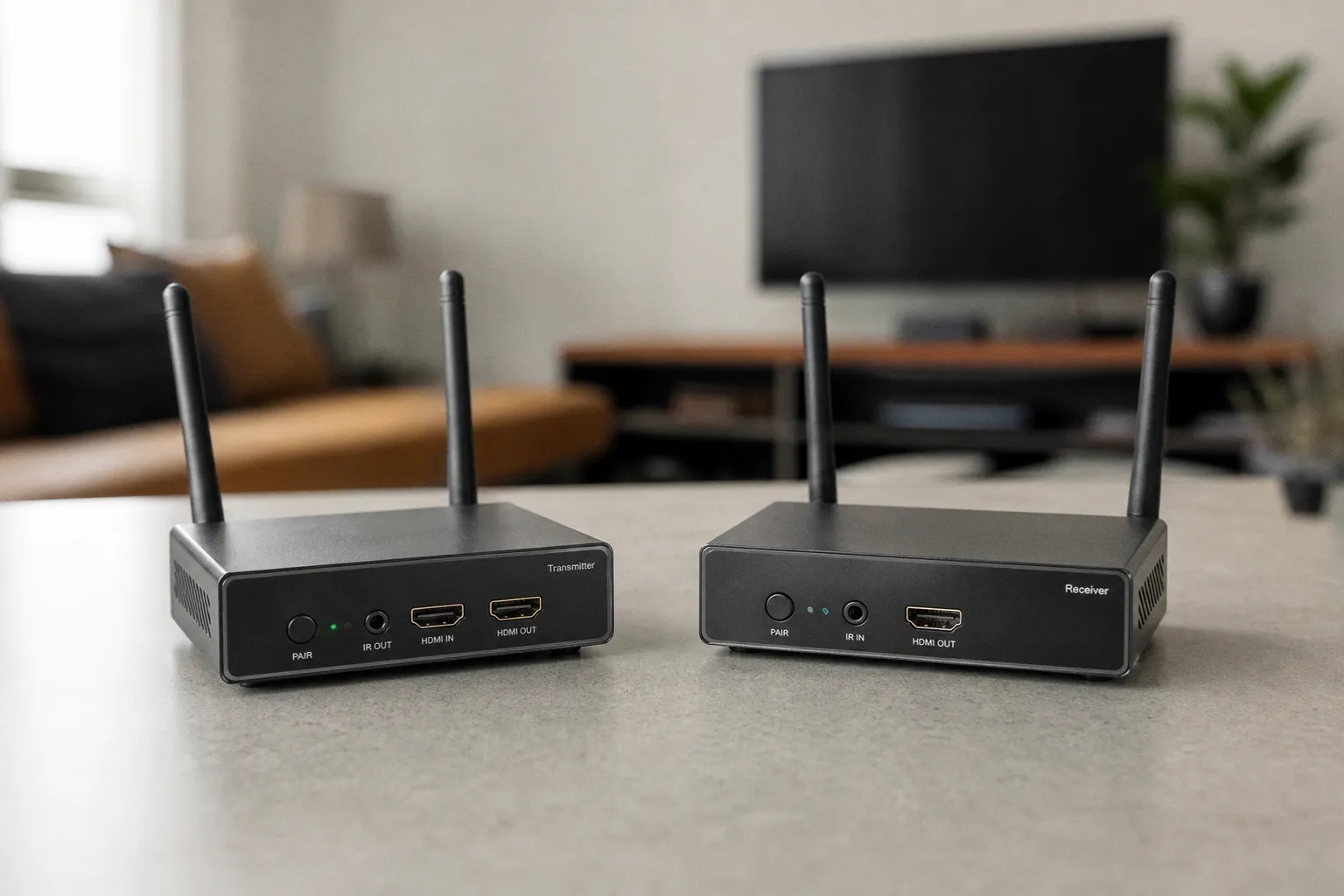 The 2 Best Wireless HDMI Video Transmitters of 2026 | Reviews by Wirecutter