USA: Sports Streaming Reaches Tipping Point as Fragmentation Drives Demand for Bundled Services - Señal News
Sports streaming in the U.S. appears to have crossed from growth story into usability problem. Señal News, citing Bango’s latest “Subscription Snapshot: Sports SVOD” report, says nearly two-thirds of U.S.
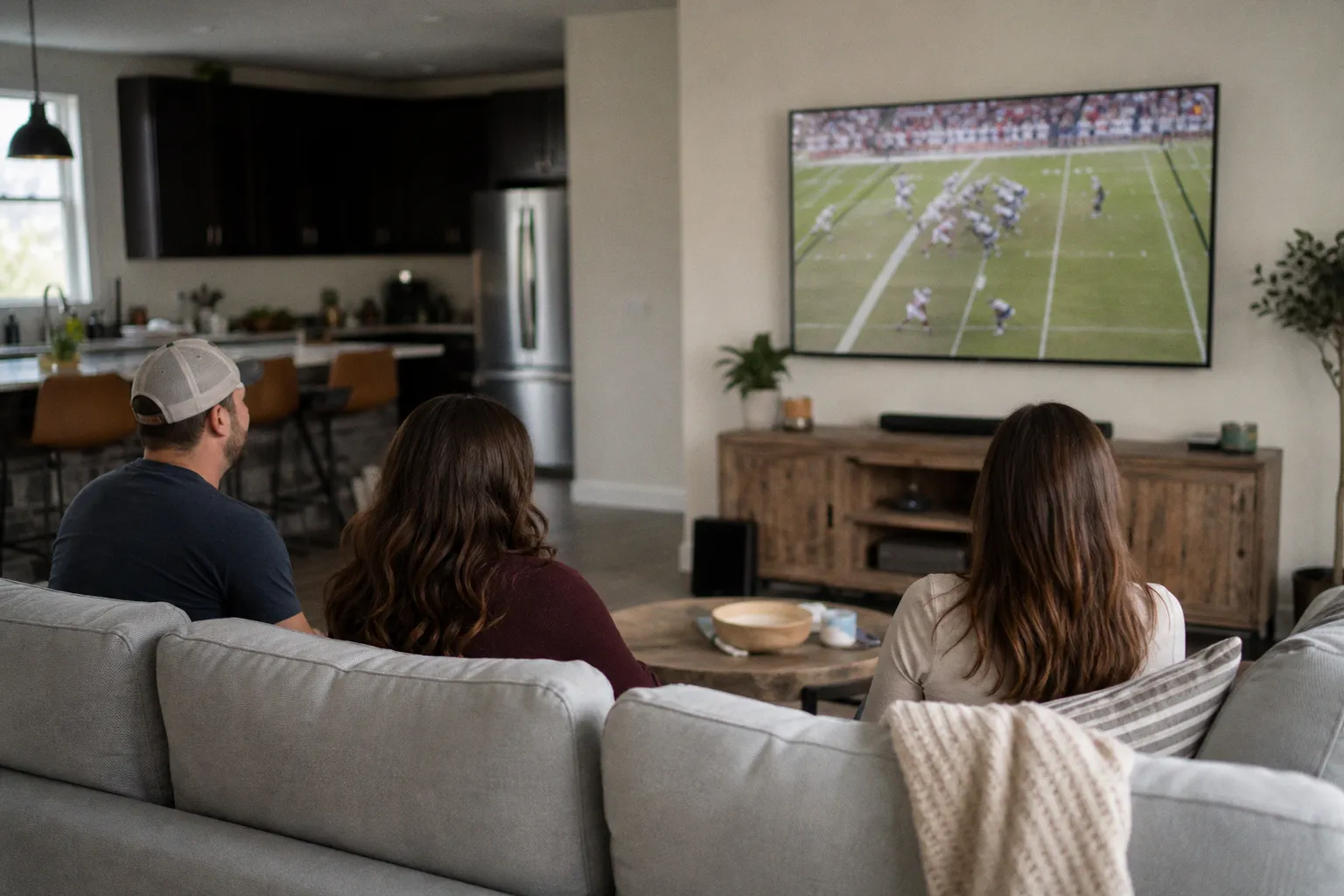
Fragmented rights are now a viewer-level problem
According to the report cited by Señal News, 64% of Americans subscribe to a sports streaming service. That is a significant marker for the streaming market: sports SVOD is no longer a niche add-on for hard-core fans, but a mainstream part of the household TV bill.
The problem is that sports viewing remains unusually specific. Bango’s survey of 2,500 U.S. consumers found that among sports SVOD subscribers, 29% primarily subscribe to watch a single league, tournament, or event, while 28% do so to follow a particular team. Another 15% subscribe for one sport, 15% want live sports broadly, and 13% initially subscribe for one sport but stay because additional sports are included.
That pattern matters because sports rights are not consumed like a general entertainment catalog. A viewer can tolerate browsing friction in a movie library; missing the first quarter of a live game is a different failure. The report says 46% of respondents have missed a game because they could not determine where it was streaming, and the same share reported missing part of a live game for that reason.
The bundle is returning, just in a different form
The data points toward a familiar pressure in the streaming economy: once enough must-have content is split across separate services, the market starts rebuilding aggregation. More than a quarter of Americans, 27%, now need at least three paid subscriptions to watch all the live sports they follow, while 30% believe they subscribe to too many different sports streaming services.
That is the opening for bundled services, especially if they can reduce the two pain points viewers feel most directly: subscription sprawl and content discovery. Bango’s findings also indicate active churn behavior, with 32% regularly subscribing only for the duration of a sports season before canceling. In practical terms, the sports fan is already treating subscriptions like temporary access passes rather than permanent household utilities.
The report also notes a growing opportunity for telecommunications providers. That is not surprising in structural terms: sports rights fragmentation creates demand for a single bill, clearer packaging, and a more reliable path from schedule to live stream. The winning bundle, however, will not simply be the one with the longest list of channels or apps. It will be the one that answers the viewer’s basic question quickly: where is my game tonight?
What viewers should check before adding another sports app
For cord-cutters, the immediate lesson is to audit around teams and competitions, not around brand names. Before paying for another sports SVOD subscription, map the league, tournament, or team you actually follow and identify whether one service covers the core schedule or whether you are buying access to only part of the season.
The report’s discovery numbers are also a warning to clean up the viewing workflow. If a household is already paying for several services but still missing games, the weak point may be guide data, app switching, or unclear rights windows rather than lack of subscriptions. A streaming setup that cannot reliably surface live events is not functioning as a TV replacement, even if the content is technically available somewhere in the stack.
The longer-term shift is more consequential for daily viewing habits. Bango’s report says 46% of Americans now follow sporting events through clips, updates, or social media instead of watching full live broadcasts, while 38% say highlights are beginning to replace live games altogether. It also says 41% of Americans still do not know where they will be able to watch the 2026 FIFA World Cup.
That is the real tipping point. Sports streaming has gained paying users, but it has not yet solved the control-room problem for the living room. Until platforms, bundles, or providers make live sports easier to locate and manage, viewers will keep responding in the most rational way available: subscribe seasonally, cancel aggressively, watch highlights when full games become too inconvenient, and demand a simpler package before adding another monthly charge.