Best streaming sticks and devices of 2026, tested by editors
CNN has refreshed its editor-tested guide to the best streaming sticks and devices of 2026, with Roku’s Streaming Stick 4K positioned as the device most viewers should consider even if their TV already has built-in apps.
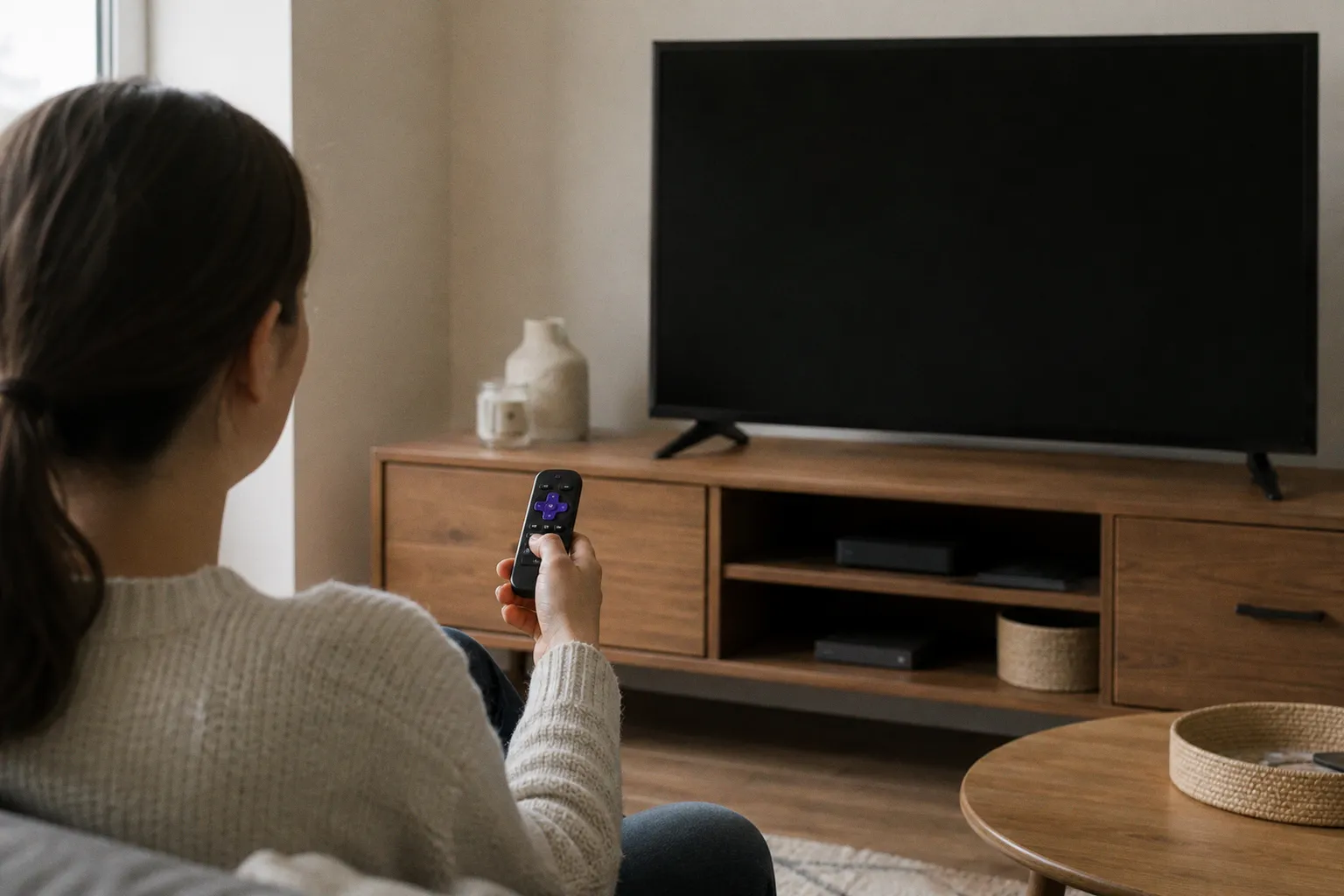
Roku’s advantage is still the home screen
The strongest case for the Roku Streaming Stick 4K, according to CNN’s testing, is not raw power or a long list of speculative features. It is the way Roku keeps the experience centered on apps, with a grid-style home screen that makes services easier to launch without forcing the viewer through a recommendation-heavy layer.
That distinction matters as streaming platforms increasingly use device home screens as a merchandising surface. CNN notes that Roku’s home screen is changing slightly to include some suggestions, but says early testing found those suggestions can be turned off. The same flexibility is not described for Fire TV in the source material.
For viewers who prefer a device that actively recommends what to watch, CNN points to the Google TV Streamer as the better fit. Its deeper YouTube integration is specifically called out, with YouTube videos surfaced on the home screen. Roku remains YouTube-compatible, but CNN says Google’s device handles that integration better.
The practical verdict: Roku looks best suited to households that already know which apps they use and want fewer layers between the remote and the service. Google TV is the more natural option for viewers who want the platform itself to behave like a discovery engine.
Performance, picture standards, and the limits of a stick
CNN’s testing found the Roku Streaming Stick 4K responsive in ordinary use, with no notable lag when moving between apps and shows. The guide still points speed-focused buyers toward the Roku Ultra or Apple TV 4K, but frames the Streaming Stick 4K as sufficient for most people who primarily need reliable access to shows and films.
The device supports Dolby Vision and HDR10+, which are relevant for viewers with televisions that can display those formats. CNN also notes support for Dolby Atmos audio. Those specifications do not improve every setup automatically; they matter when the TV, sound system, service, and title all support the relevant format. But for a streaming stick in the mainstream tier, their presence reduces the chance that the device becomes the weak link in a newer living-room setup.
A built-in long-range Wi-Fi receiver in the power cable is another detail with real-world significance. The stick does not offer the dedicated Ethernet connection found on more expensive models covered in CNN’s guide, so Wi-Fi stability becomes more important. For viewers whose TV sits far from the router or behind a cabinet, that design choice is more than a footnote.
What to check before replacing your smart TV apps
The useful takeaway is not that every viewer needs a new streamer. It is that the TV’s built-in interface should be treated as replaceable infrastructure. If apps load slowly, updates arrive late, or the home screen has become a promotional maze, a dedicated streaming stick may be the cheapest way to improve the daily viewing routine without replacing the television.
CNN’s testing also highlights a travel use case: the Roku Streaming Stick 4K is small enough to pack, and the source says Roku devices performed well when signing into complicated hotel Wi-Fi networks. That is a niche but meaningful advantage for viewers who regularly want their own streaming apps on the road.
The broader market signal is clear. Alongside CNN’s streaming-device guide, PCMag has also published a tested 2026 guide to live TV streaming services, while other technology outlets are refreshing adjacent tested product categories. The streaming stack is being evaluated as a system: device, interface, service access, and playback quality. For the viewer, the buying decision should start with the friction they feel every night — slow apps, poor recommendations, weak Wi-Fi, or too many remotes — and then match the device to that problem rather than chasing a platform brand by default.